How to Make a New York-Style Hot Dog at Home
@edwinsybm544
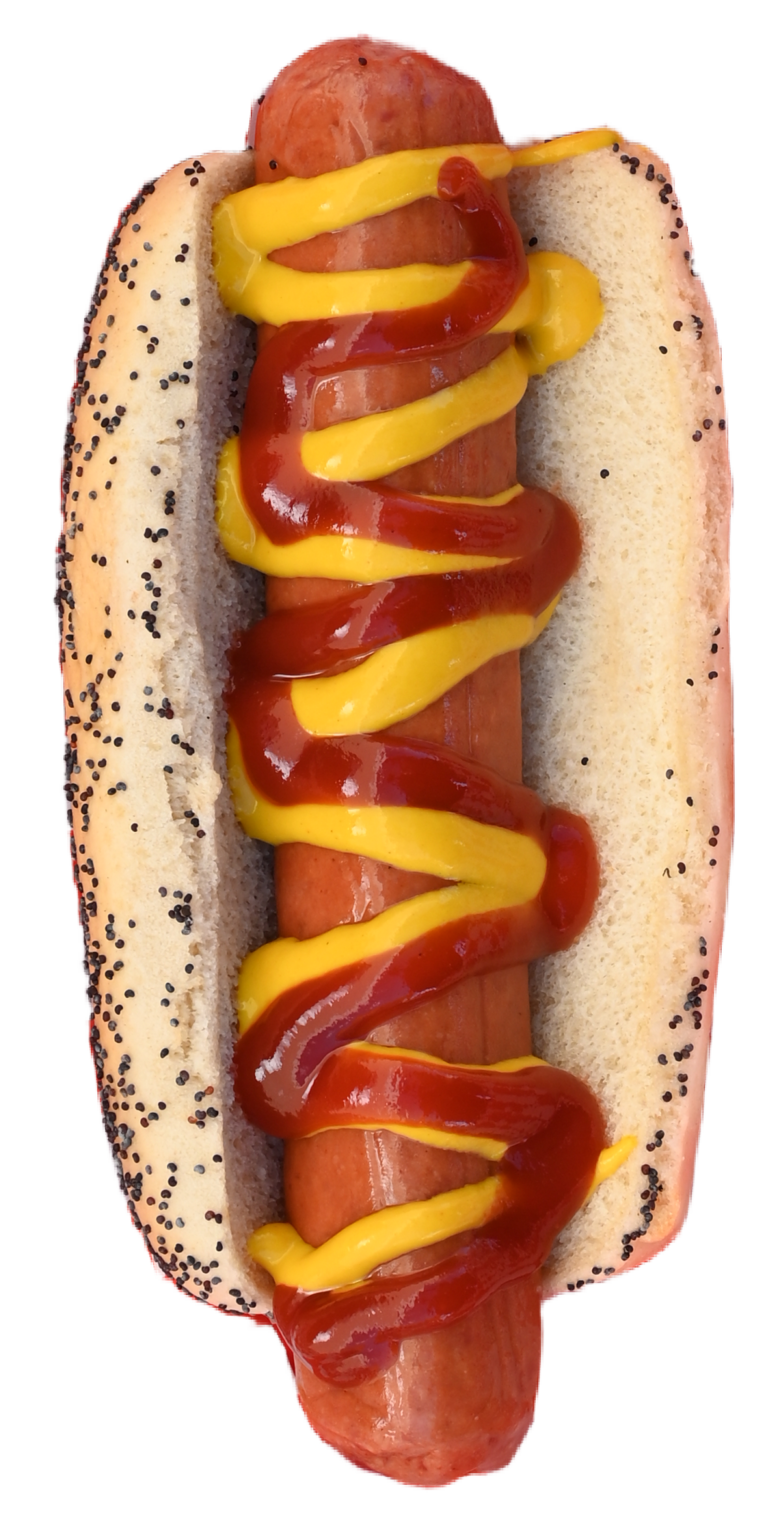


A true New York-style hot dog is a study in restraint. It is not piled high with chili, cheese, slaw, or half the contents of the refrigerator. It is a snappy beef frank in a warm bun, dressed with a few sharp, savory toppings that do distinct jobs. The onions bring sweetness and tang, the mustard provides bite, and the sauerkraut adds a clean fermented edge. Every part matters, but none of it should overpower the sausage.
That balance is what many home cooks miss. They focus on the hot https://gravatar.com/underconstructionhotdogs dog itself, then treat the bun and toppings as afterthoughts. In practice, the bun can ruin the whole thing if it is stale or too thick, and the onions can make the dog taste flat if they are too sweet or too watery. New York street-cart food has a reputation for simplicity, but it is a very specific simplicity. The best versions taste deliberate.
If you want that street-corner flavor at home, you do not need specialized equipment. You need good ingredients, proper heat control, and a little judgment. Once you understand the style, it is easy to turn out hot dogs that feel unmistakably New York, even if your kitchen is a thousand miles from Midtown.
What makes a hot dog New York-style
New York-style usually means an all-beef frankfurter, yellow or deli-style brown mustard, sauerkraut, and the signature onion sauce, often called sabrett-style onions because so many people associate the flavor with the city’s carts. That onion topping is not just sautéed onions. It is a soft, tomato-tinged, lightly sweet, lightly vinegared mixture that lands somewhere between relish and sauce.
The cooking method also matters. Street vendors often keep franks hot in water or on gentle heat rather than aggressively grilling them. That produces a juicy dog with a clean snap, not a charred sausage bursting at the seams. At home, you can simmer or steam the franks for an authentic texture, or pan-finish them briefly if you want a little color without veering into backyard cookout territory.
This is one of those foods where authenticity lives in the small details. A heavily toasted artisan bun may sound like an upgrade, but it pushes the hot dog in the wrong direction. A smoky bratwurst is delicious, but it is not the same thing. New York-style depends on proportion and familiarity. It should taste fast, comforting, and exact.
Start with the right frank
If you change only one thing, change the hot dog itself. Buy an all-beef frank with a natural casing if you can find one. The casing gives you the snap that people remember from good city dogs. Skinless franks can still work, especially if they are well seasoned and not too soft, but natural casing is noticeably better.
Brands vary by region, and availability is inconsistent, so it is smarter to shop by style than by label. Look for franks that are moderately sized, not giant quarter-pound sausages. A classic New York dog fits the bun neatly and eats cleanly. Oversized franks throw off the balance and make the toppings slide away after the first bite.
Salt level is another consideration. Some beef franks are assertively salty, which can be welcome once they are matched with a soft bun and mild kraut. Others taste underseasoned unless you add stronger mustard. If you are trying a brand for the first time, cook one before serving a crowd. Five minutes of testing can save you from discovering that your chosen frank tastes more like bologna than a proper hot dog.
The bun matters more than most people think
A New York-style hot dog bun should be soft, lightly sweet, and easy to compress without falling apart. This is not the place for crusty bakery rolls. The bun should cradle the frank and toppings, not announce itself.
Top-split buns are excellent if available, especially because they hold the dog neatly and warm evenly. Side-split buns are perfectly fine too. What you want to avoid is a dense, chewy roll that fights the bite. The classic experience depends on tenderness. When you bite in, the casing should snap, the onions should spread slightly, and the bun should yield instantly.
Freshness is critical. A day-old bun can still work if gently steamed, but a dry bun will always read as compromise. If you have ever had a street-cart hot dog that somehow tasted better than expected, odds are the bun was warm and slightly humid. That softness is part of the memory.
The onion sauce is the signature
Ask people what they remember from a New York hot dog, and many will say the onions before they mention the sausage. That onion sauce is not glamorous, but it is the flavor marker that tells your brain exactly what style you are eating.
The onions should cook down until soft but not browned. Browning brings a caramelized sweetness that tastes excellent on many sausages, though less true to this style. The tomato element is subtle, more background than main note. A little sugar helps round things out, and vinegar supplies the slight sharpness that keeps the mixture from feeling heavy.
You can make the sauce in advance, and frankly, it improves when it sits for a few hours. The flavors settle, the onions absorb the sauce, and the whole thing becomes more cohesive. This is helpful if you are serving several people, because it lets you focus on the hot dogs at the last minute instead of trying to chop onions while buns are steaming.
A practical shopping and prep list
- All-beef hot dogs, preferably natural casing
- Soft hot dog buns
- Yellow or deli-style brown mustard
- Sauerkraut, drained and gently warmed
- Onions, tomato paste, a little sugar, and vinegar for the onion sauce
That short list is the beauty of this food. Nothing is expensive, but each item has to earn its place.
How to make the onion sauce without overthinking it
Use yellow onions, sliced or finely chopped depending on your preference. I lean toward a small dice because it sits on the hot dog more neatly and gives you a little in every bite. Cook the onions slowly in a bit of neutral oil until they turn soft and translucent. Add a small amount of tomato paste, just enough to tint the mixture and add savoriness. Then add a splash of water, a pinch of sugar, and a modest amount of vinegar.
From there, simmer until the onions are very tender and the sauce clings rather than runs. If it gets too thick, add another spoonful of water. If it tastes too sweet, add a little more vinegar. If it tastes too sharp, let it cook another few minutes and mellow out.
The common mistake is treating it like pasta sauce and adding too much tomato. Then the topping dominates everything and reads as generic red sauce. The proper version should still taste primarily of onions. Tomato is there to support, not lead.
Another mistake is undercooking the onions. When they retain too much bite, the topping feels raw and disconnected from the hot dog. You want softness. Think spoonable, not crunchy.
Sauerkraut should support, not swamp
Good sauerkraut adds freshness and acidity, but it needs handling. Cold kraut from the jar can make the bun soggy and the hot dog cool too quickly. Drain it well, then warm it gently. You are not trying to cook it into submission. You only want to take off the chill and soften the sharper edges.
Some people rinse sauerkraut to reduce salinity and acidity. That can help if the brand is especially aggressive, but rinse lightly if you do it at all. Too much washing leaves you with limp, flavorless cabbage. A better first move is simply draining and warming it. Taste before you make adjustments.
If you love kraut, it is tempting to heap it on. Resist that urge. A New York-style hot dog is at its best when the kraut sits in a modest layer, enough to register clearly, not enough to tumble onto your wrist after one bite.
Cooking the frank the New York way
At home, there are several acceptable methods, though some are closer to the street-cart result than others. Gentle simmering is the most reliable. Bring water almost to a simmer, then keep it just below a full boil and heat the franks until hot throughout. Boiling hard can split the casing and leach flavor, while a gentler approach keeps them plump and juicy.
Steaming is also excellent if you have a setup for it. It warms the franks without waterlogging the exterior and helps preserve that nice snap. A brief pan finish in a dry skillet can add light color if you like, but keep it subtle. Once the hot dog starts blistering heavily, the flavor heads toward ballpark or backyard grilling, which is a different style.
Grilling itself is not wrong if that is what you enjoy, but it changes the identity of the dish. Smoke and char are persuasive flavors. They tend to dominate the onion sauce and kraut, and soon you are making a grilled beef hot dog with New York-inspired toppings instead of a true New York-style hot dog.
Warm the bun, do not toast it into a roll
The bun should be warm enough to feel soft and fragrant, never dry or crisp. Steaming is ideal. If you do not have a steamer basket, you can improvise by placing buns in a covered pan with a spoonful of water nearby, just long enough for the interior to warm and the exterior to soften.
A microwave works in a pinch, especially if you wrap the buns in a barely damp paper towel and heat them briefly. The danger is overdoing it. Fifteen to twenty seconds too long can turn a soft bun rubbery, then stale once it cools. If you use the microwave, stay conservative.
Light griddling with butter is delicious, but it takes the hot dog away from the classic street version. For a more faithful result, think moist heat and softness.
The assembly that keeps everything in balance
When you build the dog, put the frank in the warmed bun first, then mustard, then onions, then kraut, or kraut before onions if you prefer the onion sauce on top where its color is visible. There is no sacred order, but the quantities should be controlled.
Here is the basic sequence I use at home:
- Warm the onions and sauerkraut, and heat the franks gently until fully hot.
- Steam or otherwise warm the buns until soft and pliable.
- Place one frank in each bun and add a modest line of mustard.
- Spoon on the onion sauce, then add a small mound of sauerkraut.
- Serve immediately while the bun is still soft and the frank still snaps.
The keyword there is modest. Most disappointing homemade hot dogs fail from abundance rather than scarcity. Too much mustard masks the beef. Too many onions make the bun slip. Too much kraut chills the dog and floods the bite. The best version looks almost plain, then tastes perfectly composed.
Common mistakes that flatten the flavor
The first is overcooking the frank. Split hot dogs lose juices, and once the casing bursts, the texture never quite recovers. Keep the heat moderate.
The second is using cold toppings. Hot dog carts keep components warm for a reason. A lukewarm frank under cold kraut and room-temperature onions tastes disjointed. Warmth is part of the style.
The third is choosing the wrong mustard. Sweet honey mustard or grainy whole-seed mustard can be pleasant, but they pull the flavor profile in a different direction. A standard yellow mustard works, and a deli-style brown mustard can work too if it is not too coarse or aggressively spiced.
The fourth is trying to make the dish gourmet. There is nothing wrong with premium ingredients, but the spirit of a New York-style hot dog is directness. Fancy pickled onions, truffle mustard, brioche buns, and heritage sausage all have their place. This is not that place.
If you want to get closer to street-cart flavor
Street food tastes the way it does partly because the components spend time together in warm holding conditions. At home, you can mimic a bit of that by making the onion sauce early, warming the kraut gently for a while rather than at the last second, and keeping the franks hot without boiling them hard.
There is also a textural difference that comes from volume service. A vendor may cook dozens of hot dogs over a stretch of time, and that environment slightly changes the casing and interior texture. You will not recreate every nuance in a small home batch, and that is fine. What you can recreate is the essential bite, aroma, and balance.
One trick I like for parties is to keep the onion sauce in a small covered saucepan over the lowest possible heat and the kraut in a second pan, also covered. The hot dogs can stay in hot water off the burner for a short period if you monitor the temperature. That way, people can assemble quickly, and every dog lands hot.
Small variations that still respect the style
There is room for judgment here. Some people prefer mustard and onions only, leaving off the sauerkraut entirely. Others want a stronger deli mustard with a little horseradish heat. Both are defensible if the overall profile remains clean and beef-forward.
If you cannot find natural-casing beef franks, use the best all-beef option available and be a little more careful with your bun and topping balance. If your sauerkraut is unusually assertive, use less and let the onions carry more of the flavor. If you are feeding children or guests who dislike kraut, set it out separately rather than skipping the onion sauce. Of all the toppings, the onions are the one that most strongly signals New York.
I would not, however, substitute a smoked sausage, load on sweet relish, or char the dog heavily and still call it New York-style. Delicious is not the same as specific. The style has edges, and that is what makes it recognizable.
Serving it so it feels complete
A New York-style hot dog is often at its best when treated casually. Serve it on a plate if you like, but it does not need ceremony. A small pile of kettle chips, a cold pickle spear, or a simple deli salad on the side works better than anything too elaborate. The hot dog itself is salty, savory, and rich enough to anchor the meal.
Drinks follow the same logic. Lager, sparkling water, cream soda, celery soda, or plain iced tea all make sense. Heavy red wine does not. Neither does a complicated cocktail designed to show off the bartender. This is straightforward food, and it pairs best with straightforward company.
The final point is timing. Eat it right away. Hot dogs have a short peak window. Five minutes after assembly, the bun softens too much and the toppings begin to shift. Ten minutes later, the whole thing feels tired. When everything is hot and balanced, a New York-style hot dog has a kind of fleeting perfection. That is part of its charm.
Make it once with care and you will see how little it needs. Good beef, a soft bun, warm onions, kraut with some life left in it, and mustard with enough bite to wake everything up. That is the whole game. The details are simple, but they are not accidental, and when you get them right, home stops feeling quite so far from the corner cart.
Under Construction Hot Dogs
1225 W U.S. Hwy 50, Pueblo, CO 81008
FAQ About hot dog
What are different types of hotdogs?
Under Construction Hot Dogs offers a classic all-beef hot dog, a quarter-pound Jumbo Dog, a Chili Dog, and a Chicago Dog, along with brats and a Spicy Link.
What does a chili dog have on it?
Our Chili Dog pairs a Vienna all-beef hot dog with chili, shredded cheddar cheese, and finely diced onions.
What is in a traditional Chicago dog?
Our Chicago Dog comes on a steamed poppy seed bun with yellow mustard, bright green relish, onions, tomato wedges, a pickle spear, sport peppers, and celery salt.